
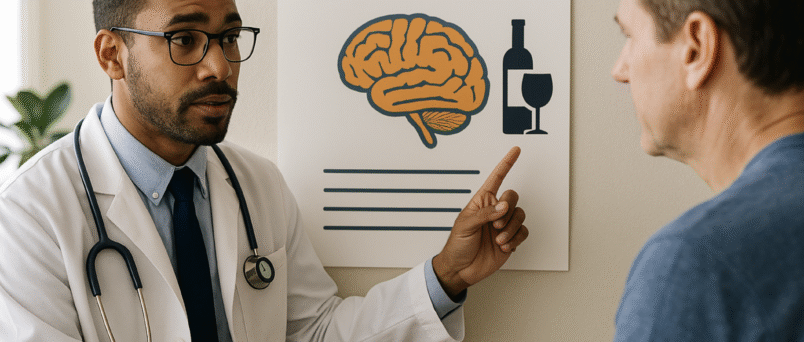
How Alcohol Affects the Brain and Body Over Time
Alcohol doesn’t just affect you in the moment — it slowly reshapes your brain, your body, your emotions, and even the way you see yourself. The impacts build quietly over months or years, often without you noticing until you look back and wonder when things changed. Understanding how alcohol affects the brain and body over time helps you see why addiction develops, why detox can be so intense, and why sobriety matters so much. Life is short, and alcohol steals more of it than people realize.
One of the first places alcohol leaves its mark is the brain. At first, drinking releases dopamine, the “feel-good” chemical, which makes you feel relaxed, social, or stress-free. But over time, the brain adjusts. It stops making as much dopamine on its own and begins to rely on alcohol to trigger pleasure, calm anxiety, or boost mood. This rewiring makes cravings stronger and self-control harder. Eventually, the brain becomes less capable of regulating emotions without alcohol, which is why irritability, anxiety, and depression often rise as drinking increases.
Memory and cognition also take a hit. Long-term alcohol use can shrink parts of the brain responsible for learning, concentration, decision-making, and memory storage. People may find themselves forgetting conversations, misplacing things, or struggling to focus at work or school. These changes happen slowly but can become permanent over time. Even the ability to make good choices is affected — alcohol weakens the parts of the brain responsible for judgment, making impulsive decisions much more likely.
Physically, alcohol impacts almost every major organ. The liver takes the hardest hit since it’s responsible for breaking down alcohol. Over time, drinking can cause fatty liver, inflammation, and eventually scarring known as cirrhosis, which is irreversible. The liver is incredibly resilient, but it can only take so much. Many people don’t realize the damage until symptoms — like chronic fatigue, swelling, nausea, or jaundice — start to show. By then, the damage may already be advanced.
The heart is also deeply affected. Drinking heavily over long periods raises blood pressure, weakens the heart muscle, and increases the risk of irregular heartbeat. These changes can lead to heart disease, stroke, or even sudden cardiac events. Alcohol also disrupts sleep, which makes the heart work harder during the day and leaves the entire body less able to repair itself at night.
Another major area alcohol affects is the immune system. Drinking regularly weakens your body’s natural defenses, making you more vulnerable to infections, slower to heal, and more easily worn down. Even small illnesses can hit harder when your immune system is constantly battling the effects of alcohol. Many people who drink heavily notice they get sick more often or struggle with long-term fatigue.
The digestive system also suffers. Alcohol irritates the lining of the stomach and intestines, causing inflammation, nausea, and long-term digestive issues. It also interferes with vitamin absorption, which leads to deficiencies that affect everything from your hair and skin to your mood and energy levels. Over time, the digestive system becomes so strained that even small amounts of alcohol can cause discomfort.
Emotionally, the effects are just as serious. Long-term drinking often leads to heightened anxiety, depression, mood swings, and emotional numbness. Alcohol becomes the solution — and the problem. It disguises painful feelings temporarily but makes them worse over time. Many people drink to escape stress, but the more they drink, the more their stress multiplies. This cycle can feel impossible to break without help.
Social and behavioral changes appear too. Relationships may suffer, responsibilities may slip, and isolation becomes more common. Alcohol quietly becomes the center of daily life, influencing decisions and routines without being noticed at first. The long-term impact isn’t just physical — it’s emotional, relational, and psychological.
But here’s the hopeful part: the brain and body can heal. When drinking stops, dopamine levels slowly rebalance, memory improves, sleep becomes deeper, and emotions stabilize. The liver can repair itself in early stages. The heart gets stronger. Energy returns. Clarity comes back. People often say they feel like they’re waking up after a long fog.
Alcohol takes, but sobriety gives back. It gives back your health, your mind, your peace, and your sense of control. Life is short, and understanding how alcohol affects the brain and body over time is a reminder that you deserve to live it fully — without something slowly wearing you down from the inside out. Healing is possible, and choosing sobriety is the first step toward that better life. If you or a loved one are struggling with addiction or mental health issues, please give us a call today at (888) 825-8689.