
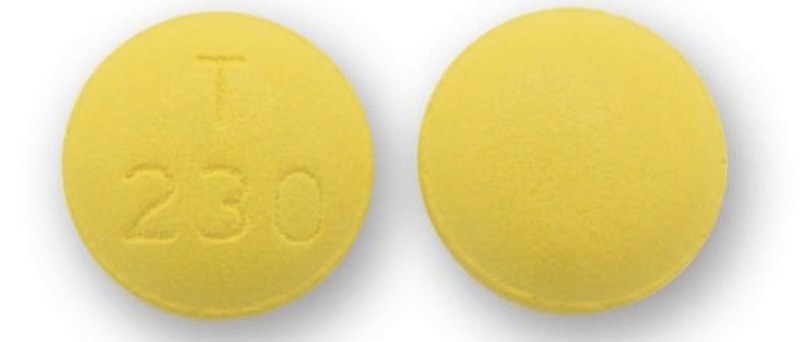
What Is a Round Yellow Pill With 230 on It?
Finding an unidentified pill can be unsettling, and searches for a round yellow pill with 230 printed on it are extremely common because taking medication without knowing exactly what it is can carry serious health risks. A round yellow pill marked with the imprint 230 is most commonly identified as naproxen 500 mg, which is a prescription-strength nonsteroidal anti-inflammatory drug used to reduce pain, inflammation, swelling, and stiffness associated with conditions such as arthritis, tendonitis, bursitis, gout attacks, muscle injuries, dental pain, and menstrual cramps. Naproxen works by blocking the production of prostaglandins, which are chemical messengers in the body that promote inflammation and pain responses. Because of this mechanism, naproxen is effective for managing moderate to severe pain that is not well controlled by lower-dose over-the-counter medications. Although naproxen is widely prescribed and generally considered safe when used as directed, it is still a powerful medication that can cause significant side effects if misused, taken too frequently, or combined with other substances. One of the most important safety considerations is gastrointestinal health, as naproxen can irritate the stomach lining and increase the risk of ulcers, internal bleeding, and stomach pain, particularly when taken on an empty stomach or used for long periods of time.
The risk of stomach bleeding rises substantially when naproxen is combined with alcohol, corticosteroids, blood thinners, or other anti-inflammatory medications. Individuals with a history of ulcers, acid reflux, gastrointestinal bleeding, or inflammatory bowel conditions are at especially high risk and should only take naproxen under medical supervision. Another major concern is kidney function, as naproxen can reduce blood flow to the kidneys, potentially leading to kidney damage or worsening existing kidney disease, especially in older adults, individuals who are dehydrated, or those taking diuretics or blood pressure medications. Long-term or high-dose use of naproxen has also been associated with increased cardiovascular risks, including elevated blood pressure, fluid retention, heart attack, and stroke, particularly in individuals with underlying heart conditions or risk factors such as smoking, diabetes, or high cholesterol. Because the pill marked 230 is prescription strength, taking it without a prescription or outside of medical guidance increases the likelihood of these adverse outcomes, especially if dosing instructions are not followed carefully. Pill identification becomes even more critical in today’s environment due to the increasing prevalence of counterfeit medications, which may closely resemble legitimate pills in color, shape, and imprint but contain entirely different or dangerous substances. Counterfeit pills may include opioids, synthetic drugs, or incorrect dosages that dramatically increase the risk of overdose, allergic reactions, or life-threatening complications.
This is especially concerning when pills are found loose, shared between individuals, purchased online, or obtained outside of licensed pharmacies. Even if a pill appears to match a known description, visual identification alone cannot guarantee safety, as counterfeit pills are often designed to look nearly identical to legitimate medications. Taking a pill that was not prescribed specifically to you can also result in harmful drug interactions, as naproxen may interact negatively with blood thinners, antidepressants, lithium, certain blood pressure medications, steroids, and other pain relievers. For individuals who are pregnant or trying to conceive, naproxen can pose additional risks, particularly later in pregnancy, where it may affect fetal circulation or kidney development. Allergic reactions are another potential concern, as some individuals may experience rashes, swelling, breathing difficulties, or anaphylaxis when taking nonsteroidal anti-inflammatory drugs, even if they have never reacted before. Because of these risks, medical professionals strongly advise against taking unidentified pills and recommend consulting a pharmacist or healthcare provider for confirmation if there is any uncertainty. Proper medication safety also includes storing pills in labeled containers, keeping medications out of reach of children and pets, and disposing of unused or expired medications through approved take-back programs rather than leaving them accessible. In households where multiple prescriptions are present, loose pills can easily become mixed, increasing the risk of accidental ingestion or dosing errors.
The search for a round yellow pill with 230 on it often highlights a broader issue of medication misuse, sharing prescriptions, and lack of awareness about drug safety. While naproxen itself is not considered addictive, misuse can still lead to serious health consequences, particularly when people assume that non-opioid pain medications are inherently harmless. Understanding what a pill is, how it works, and what risks it carries is essential for protecting long-term health and preventing avoidable medical emergencies. Anyone experiencing severe stomach pain, black or bloody stools, shortness of breath, chest pain, swelling, or sudden weakness after taking naproxen should seek immediate medical attention, as these may be signs of serious complications. Ultimately, identifying a pill is only the first step, and safe medication practices require informed decision-making, professional guidance, and a commitment to never taking medications casually or without full understanding of their effects on the body.
If you or a loved one are struggling with addiction or mental health issues, please give us a call today at (888) 825-8689.