
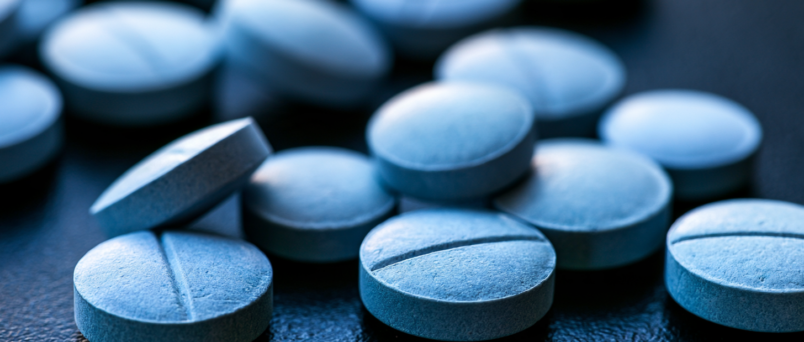
What Does Fentanyl Look Like?
Fentanyl is one of the most dangerous drugs flooding American streets today. It’s not just because of how powerful it is—it’s also because it can be disguised in so many different forms. From powders and pills to patches and sprays, fentanyl doesn’t always look like a deadly drug. That’s part of what makes it so deadly.
If you’re asking, “What does fentanyl look like?” the answer is tricky. Fentanyl doesn’t have one appearance. It’s often found in fake prescription pills that look identical to legitimate medications. It can also be mixed into powders, pressed into tablets, or even soaked onto blotter paper. The truth is, if you’re not trained to recognize it—and even if you are—you probably won’t know fentanyl when you see it. That’s exactly how it traps people.
Street Forms of Fentanyl
On the street, fentanyl takes on many disguises:
- Pills: These are perhaps the most deceptive. Fentanyl pills are often made to look like oxycodone, Xanax, or other common medications. They’re stamped and colored to match what someone might get at a pharmacy. The only difference? One might save your life, the other might end it.
- Powder: Fentanyl in powder form can look like cocaine or heroin. It’s white, grayish, or even slightly yellow. It can be snorted or smoked, and sometimes people think they’re using something else entirely.
- Laced Drugs: Fentanyl is commonly mixed into other drugs like heroin, meth, MDMA, or counterfeit Adderall. This is especially dangerous because users may have no idea they’re taking fentanyl. Even a small amount—just a couple of grains—can be lethal.
- Patches: Prescription fentanyl patches are used medically, often for chronic pain. But people abuse them by placing the patch on their skin, chewing it, or extracting the gel to inject or smoke it.
- Sprays or liquids: In some rare street forms, fentanyl comes as a nasal spray or liquid that can be ingested, absorbed through the skin, or mixed into drinks.
It doesn’t always come in a back-alley baggie. Fentanyl might show up at a party in a little blue pill that looks harmless. It might be hidden in a vape pen or a crushed capsule. That unpredictability is part of what makes it a killer.
Why Fentanyl Is So Dangerous
Fentanyl is up to 100 times more potent than morphine and about 50 times more potent than heroin. That means a tiny dose—just 2 milligrams—can be fatal. The scary part is that many people don’t even know they’re taking it. They think they’re using a pill to relax, or a bump of something to keep the night going, and then their heart stops. Just like that.
Overdose deaths related to fentanyl have skyrocketed in recent years. It’s become a silent killer, claiming lives across every demographic. Young people, professionals, athletes, parents—it doesn’t matter who you are. Addiction doesn’t care. Fentanyl doesn’t either.
Addiction and the Mental Health Link
Many people who end up using fentanyl didn’t start out looking for a high. They were looking for relief—relief from emotional pain, trauma, anxiety, depression. They were trying to escape life’s weight. That’s the hidden layer to this crisis. It’s not just a drug problem—it’s a mental health epidemic.
When someone turns to drugs, it’s often because they feel alone, misunderstood, or lost. Fentanyl offers a fast escape. But it’s a trap. Once it gets into your system, it’s hard to shake. The cravings grow stronger, and the risk of death grows with every use. And still, for someone suffering mentally, the temptation is strong.
The Path to Recovery
The good news? Recovery is possible. No one is too far gone. Sobriety isn’t just about quitting drugs—it’s about finding life again. It’s about healing the mental and emotional wounds that led to drug use in the first place.
Getting clean from fentanyl isn’t easy. Withdrawal is intense and dangerous, and it requires medical support. But once you get through the storm, the peace on the other side is real. There’s clarity, purpose, and strength waiting for you.
Recovery isn’t something you do alone. It takes support. That might mean checking into a treatment center, joining a support group, or talking to a mental health professional. It means being honest with yourself and asking for help.
Sobriety Is Survival
Fentanyl doesn’t care who you are. It doesn’t care what you’re going through. It takes lives, ruins families, and shatters futures. But you don’t have to be its next victim. You can choose recovery. You can choose to fight for your life, your health, and your peace.
Sobriety isn’t just the absence of drugs. It’s the presence of hope, of connection, of life. If you or someone you know is struggling, don’t wait. Take the first step. Get help. Because life is short, and you deserve to live it—fully, freely, and sober.
If you or a loved one are struggling with addiction or mental health issues, please give us a call today at (888) 825-8689.